What a Marketing Degree Actually Means Now That Everyone Has AI
I've hired marketers straight out of college. I've also hired people who never set foot in one. After years of running MMG Studio and building teams that live at the intersection of strategy and execution, I've stopped believing there's a single right answer to whether a marketing degree still matters. But a recent conversation on my podcast, Marketing by Design, changed how I think about the question itself.
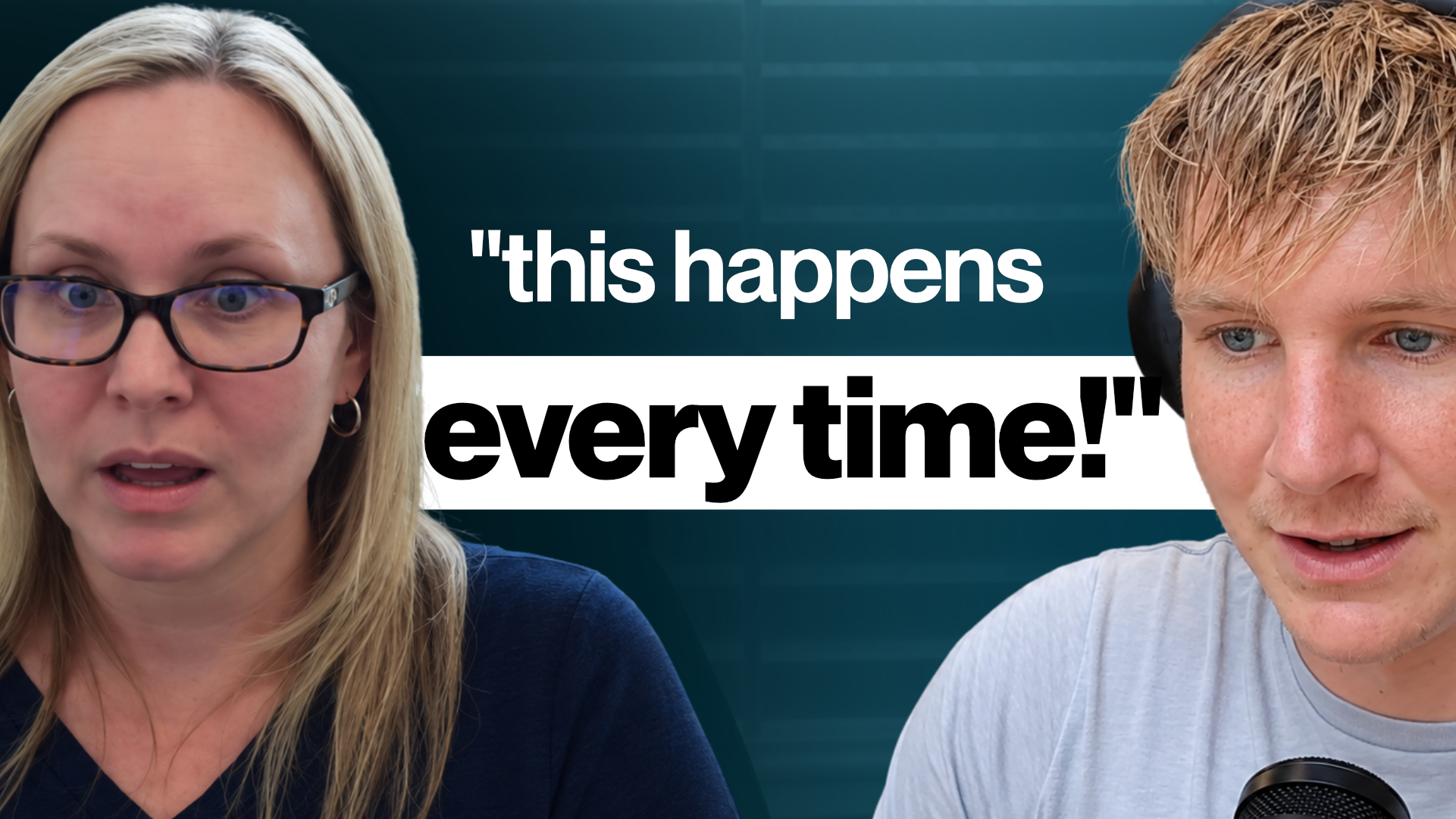
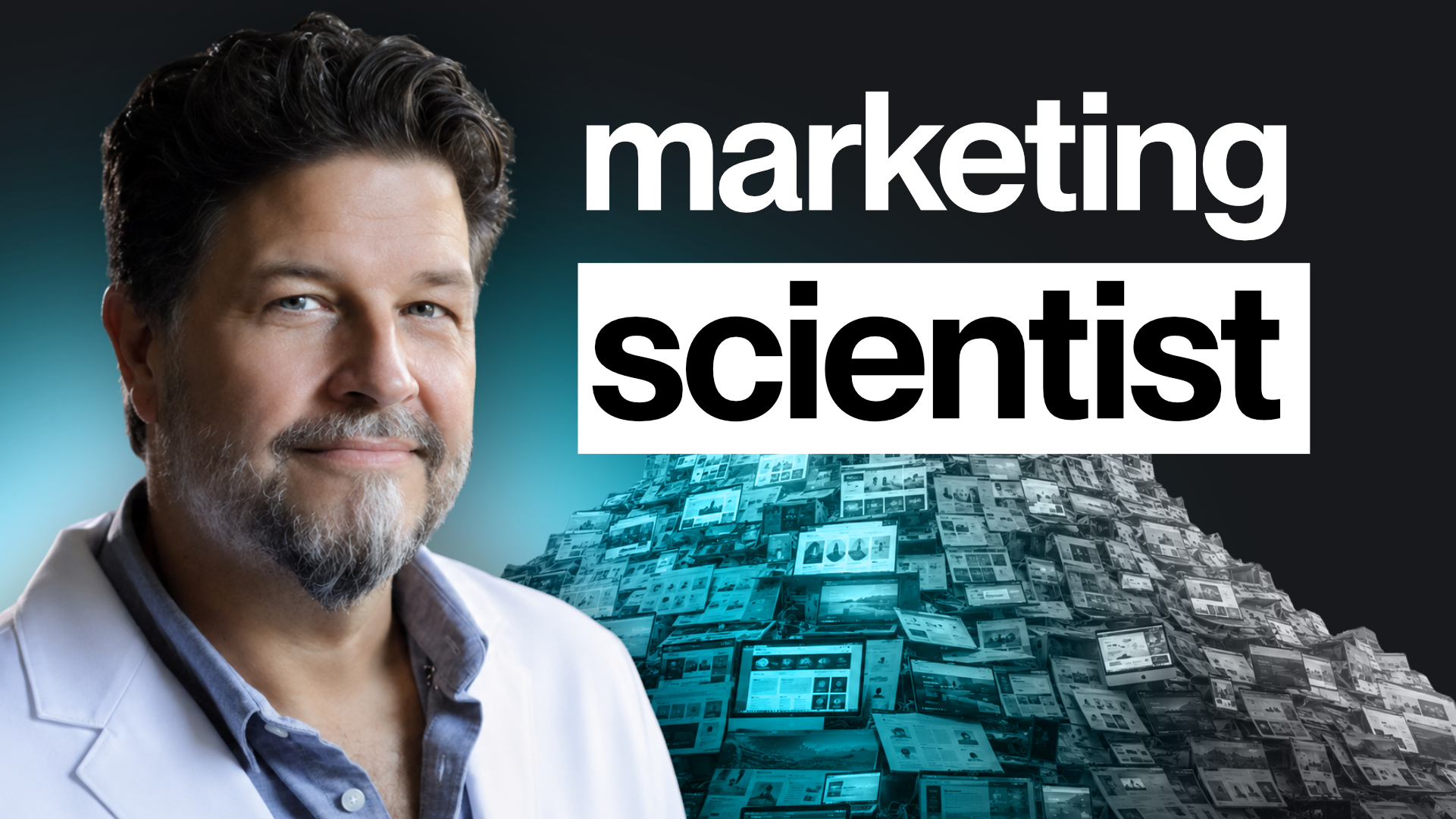
My guest was Dr. Kristina Medvedeva, an Assistant Professor of Marketing at Otterbein University here in Ohio. Before she taught a single class, she spent close to a decade as a working marketer, first at IKEA in Russia, then at Deutsche Post DHL Group in Germany. She holds a PhD in International Business and Marketing, an MBA, and several other degrees earned across three countries. She speaks four languages. And she's sitting in front of marketing students right now trying to answer a question that gets harder every semester: what does a marketing education need to teach when a tool like AI can write a strategy in thirty seconds?
Her answer surprised me, and it's the reason I wanted to write this up.
The ROI Question Everyone Is Asking Wrong
Kristina told me something I haven't stopped thinking about. When she surveyed her own students about why they chose Otterbein, three factors came up again and again: location, cost, and program fit. Underneath all three sits a bigger question students are asking earlier than they used to. Is this degree actually worth my time and money?
That's a fair question. It's also, in her words, a dangerous one to answer in isolation. If you reduce a degree to pure return on investment, you'll miss the parts of the experience that don't show up on a spreadsheet. Networking. Friendships that last decades. The chance to figure out what you actually want to do before you've committed to doing it for forty years.
I see a version of this same mistake in business owners deciding whether to invest in a real website versus a template, or whether to hire a strategist versus a freelancer off a marketplace. The cheapest option and the most defensible option are rarely the same thing. Kristina's advice to students applies just as well to marketing leaders evaluating any investment: look at the whole picture, not just the sticker price.
Why "Everybody Can Use AI" Is the Real Problem
Here's the line from our conversation that stuck with me most. Kristina said the advantage of AI right now is that everybody can use it. The disadvantage is everybody can use AI.
Sit with that for a second. When the barrier to using a tool drops to zero, the tool stops being your competitive advantage. It becomes table stakes. I've watched this play out in my own agency's work on AI and LLM visibility for clients. Every healthcare and B2B company we work with is asking how to show up in AI search results now, and the ones who win aren't the ones using AI the most. They're the ones who still know how to think critically about what the AI gives them.
That's exactly what Kristina builds into her classroom. In some of her courses, students are required to use AI as a consultant while working with real clients. In her intro to marketing simulation, it's optional, but she treats it the way she expects her students to treat it after graduation: you can use the tool, but the responsibility for the decision is still yours. She's not evaluating the AI's output. She's evaluating the student's judgment about that output.
That distinction is the whole ballgame. A prompt is not a strategy. An AI-generated brief is not the same as understanding why that brief is right for your market. The marketers who are going to be valuable in five years aren't the ones who can operate a tool everyone else already has. They're the ones who can catch the tool being wrong.
The Skill That Doesn't Show Up on a Syllabus
I asked Kristina what makes a marketing student marketable today, and her answer split cleanly into two buckets: hard skills and soft skills. Hard skills are the tools and tactics specific to marketing, and she's blunt about the fact that those change fast enough that no curriculum can promise to keep up. She's watched marketing shift from traditional to digital to AI-assisted over the course of her own career, and she expects that pace to keep accelerating.
Soft skills are different. Agility, communication, critical thinking. These transfer across every career pivot a person will make, and Kristina expects those pivots to happen more often for the next generation than they did for hers. She made one career change in her life, from industry practitioner to professor. Her prediction is that people entering the workforce now might make that kind of switch every five to ten years.
If that's true, and I think it is, then the real value of an education isn't the specific tools it teaches you. It's whether it trains you to learn new tools quickly and evaluate them honestly. That's not a slide in a lecture. It's a habit built over years of being asked to defend your thinking, not just hand in your output.
What This Means If You're Building a Marketing Career (Or a Marketing Team)
Whether you're a student deciding on a degree or a founder deciding who to hire, the same filter applies. Don't ask what someone knows how to use. Ask what they do when the tool gives them a wrong answer. Kristina's classroom is built entirely around that filter, and it's the same one I use when I'm evaluating who joins my own team or which partners I recommend to clients.
If you're a student, her advice is worth repeating. Look past the marketing brochure. Talk to the professors. Ask whether the curriculum is shaped with input from actual employers, not built in isolation. Visit the campus. A degree is a four year investment of time and money, and it deserves the same scrutiny you'd put into any major financial decision.
If you're hiring, the lesson is just as direct. Stop screening for AI fluency alone. Screen for the person who can tell you why the AI's answer was wrong, and what they did instead.
A Note on Curriculum, and Why It's Harder Than It Looks
One thing Kristina said reframed how I think about any organization trying to "keep up." She's at a small university with only two marketing professors, herself included, which means she has direct influence over what gets taught. But she was clear that this isn't a formula other schools can copy. Larger institutions, public universities, and schools with more layers of approval move slower by design, not by failure. There's no universal blueprint for staying current. There's only the discipline to keep showing up in the industry you're teaching about.
That's why she sits on the AMA Columbus board. It's not a resume line. It's how she stays close enough to practitioners to know what's actually changing before it shows up in a textbook. I'd argue that's true for anyone running a business too. You don't stay sharp by reading about your industry. You stay sharp by being in the room with the people doing the work right now.
The Bigger Shift
The conversation that stuck with me most wasn't really about AI, or even about college. It was about responsibility. Kristina's students are learning, sometimes the hard way, that using a powerful tool doesn't remove the burden of thinking. It raises it. Anyone can generate an answer now. Very few people can tell you why that answer is right, wrong, or somewhere in between.
That's the skill worth building, whether you're twenty years old and choosing a major or forty years old and running a marketing department. The tools will keep changing. The question of who can be trusted to use them well won't.
If you want to hear the full conversation, including her honest take on whether college is still worth it for students entering marketing today, you can listen to the episode here. And if AI visibility is something you're actively trying to solve for your own company, that's exactly the kind of work we do at MMG Studio.
You can find Dr. Kristina Medvedeva's full academic profile through Otterbein University, and connect with her on LinkedIn.
And that, is marketing by design.






.webp)
.webp)