I hosted my first in-person marketing event this week. Twenty-two people, one lunch, and a level of anxiety I did not expect going in. I want to give you the full, honest post-mortem: the numbers, the costs, what worked, what I botched, and what's coming next. If you've ever thought about hosting your own meetup, community lunch, or client gathering, this is the real math, not the highlight reel.
For background, I run MMG Design, a marketing studio that works with B2B and healthcare companies on their websites and lead generation. I've spent years writing about website design and healthcare marketing for other people's businesses. This event was about building something for my own community of Columbus marketers, and I wanted to document the process the same way I'd document any other campaign.
Why I Finally Did This
I'd been sitting on the idea of hosting a marketing meetup in Columbus for years. Every time I got close, imposter syndrome won. Who am I to ask 40 busy marketers to give up their lunch hour for me?
The answer, it turns out, doesn't matter as much as I thought. People aren't showing up for the host. They're showing up to meet each other. Once I got out of my own way and treated myself as the connector rather than the main event, the whole thing got a lot easier to plan.
The Venue: Why North Market Worked
We met at North Market in downtown Columbus, a food hall with a dozen-plus vendors under one roof, mixed standing and seated areas, and a cafeteria-style layout in the middle. North Market doesn't charge to host informal gatherings there, which kept costs low and kept the event feeling casual rather than like a rented conference room.
I was genuinely worried about noise. A public food hall at lunchtime sounded like a recipe for shouting over each other. It wasn't. The open floor plan meant people could stand, sit, or drift between conversations without the friction of a seated dinner where you're locked into whoever's next to you. If you're planning something similar and want a more polished, newer setting, North Market Bridge Park in Dublin is worth a look too. It's the same concept in a newer development with more room to spread out.
The Numbers: Invites, RSVPs, and No-Shows
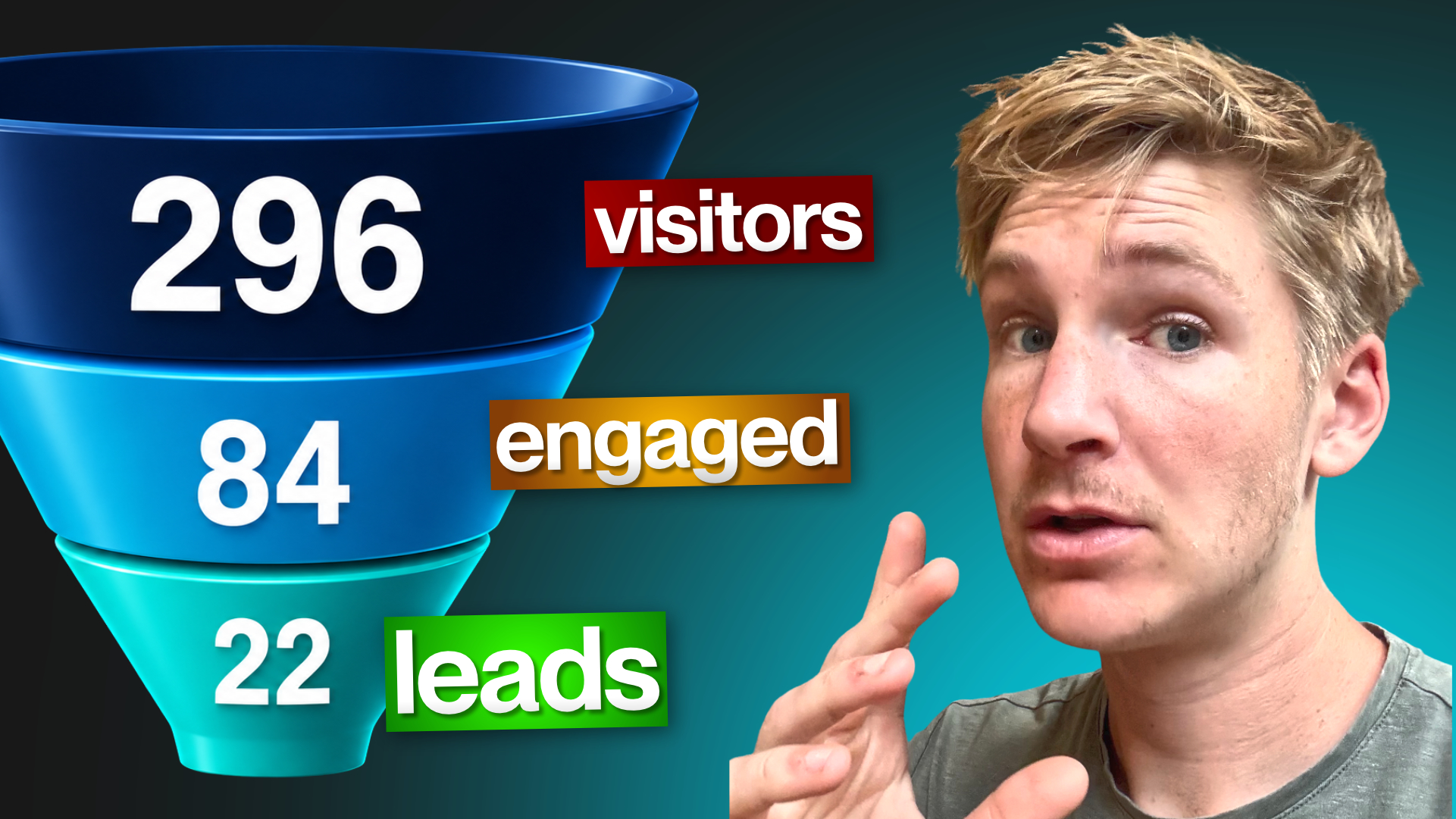
I tracked everything in Folk, the CRM I use for relationship management. Here's exactly how the funnel played out:
- 44 total invites sent
- 16 people never responded, even after two follow-ups
- 6 people responded but couldn't make it due to scheduling conflicts
- 25 people RSVP'd
- 22 people actually attended
- 3 people dropped the day of (a doctor's appointment, a client fire, and one no-call no-show)
My target going in was 15 to 30 people, and 22 landed right in the sweet spot. Looking back, I think I could have pushed for five or six more attendees and still kept the quality of conversation high. That's the number I'm planning around for event two.
One detail worth noting: the single no-call no-show was the one person I didn't personally invite. They came through a mutual connection. Lesson filed away: personal invitations convert. Second-hand invitations don't carry the same weight.
The Full Cost Breakdown
I wanted this to be low-lift and self-funded, both to keep it sustainable and to avoid it looking like an overly produced marketing play. Here's what it actually cost:
- Venue: $0 — no fee at North Market, and everyone bought their own food
- Gifts: $100 — a handwritten card and a $5 Starbucks gift card for every attendee
- Accessories: $10 — name tags and pens
- Photographer: $115 — more on this below
- Hard costs total: $225
Then there's time. I calculate my own hourly rate at $150. Outreach and admin ran about 3 hours (personalized invites to every single person, no mass emails), morning prep was about 2 hours, and the event itself was 2 hours. That's roughly 7 hours, or about $1,000 in labor.
All-in cost: about $1,225 for a room of 22 marketers who left talking about when the next one is.
The Detail Everyone Remembered: Handwritten Cards
The single highest-ROI decision I made was also the simplest. I went to Starbucks the night before and bought twenty $5 gift cards. Then I hand-wrote a personal note to every attendee, stuck a sticky note on it, and sealed it in an envelope with our logo on it.
It took hours. It was, by a wide margin, the thing people mentioned most afterward. Multiple attendees told me the card and gift card were "the icing on top" of the event. It's the same principle behind doing the unscalable thing on purpose: a personalized, handwritten touch is nearly impossible to fake, and people notice the difference immediately.
Name tags mattered too, and they cost almost nothing. I already knew everyone's name since I'd invited each person myself, but name tags removed all the friction for attendees meeting each other for the first time.
What Went Right
Groups actually merged. Solo consultants met agency owners. In-house marketers met freelancers. People who'd followed each other on LinkedIn for years finally met in person. That cross-pollination was the entire point, and it happened organically because the format let people move around freely.
No complaints about skipping the free lunch. I was worried that not comping food would hurt turnout or feel cheap. It didn't. If anything, it removed the logistics of managing allergies and food preferences, and let people come and go on their own schedule.
The photographer was worth every dollar. Erik Zaborowski, Marketing Manager and photographer at Soul Marketing, showed up early, worked the room like he was part of the group, and delivered photos that turned a one-off lunch into a real proof of concept I can use to pitch future events and sponsors. If you're weighing whether to spend the money on a photographer for your first event, my answer is yes. The photos are the asset that keeps working long after the event ends. Go check out Erik's work if you need someone who can shoot an event without making it feel like it's being shot.
The results showed up fast. Within 36 hours of the event, I had one speaking invitation, one direct referral to another attendee, one content collaboration, and three one-on-one coffee meetings scheduled independently by attendees who met each other for the first time that day.
What I'd Change
Greet people the moment they walk in. I got caught in conversations a few times and missed the chance to personally welcome people as they arrived. Next time, that's priority one for the first ten minutes.
Bring an extroverted co-host in early. I'm not naturally the loudest person in the room. Having someone with strong social energy arrive 15 minutes before everyone else, someone who can start conversations and set the tone, would make the first few minutes land better.
Send the follow-up email individually, not as a group blast. I nearly sent one AI-drafted recap email to all 22 attendees at once instead of individualized messages. I caught it in time, but it was a reminder that automation still needs a human checking the output before it goes out, especially with a personal, high-trust audience.
Get a pre-event form out earlier. Asking "who do you want to meet" and "what's your goal for the event" ahead of time would let me do some intentional matchmaking instead of leaving all of it to chance in the room.
What's Next
I'm scheduling the next event within the week, on purpose, because momentum fades fast if you don't capitalize on it while people are still talking about the last one. My plan:
- Monthly cadence. The cost structure supports it, since the biggest expense (the photographer) doesn't need to happen every time.
- Half new faces, half returning. New attendees meet people who've already been through one event, and returning attendees get fresh connections every time.
- Invite-only, bring-a-friend. Keeping it exclusive while allowing each attendee to bring one person keeps quality high without closing the door on growth.
- A Slack channel for Columbus marketers. A home base between events for job posts, freelance leads, and general community conversation.
If you're a marketer in Columbus and want in on the next one, Columbus Marketing is where I'll be posting updates.



.webp)
.webp)