A board member leans forward and asks a simple question. If we gave you another half a million dollars, how much more could you deliver? It feels like an opening. It is actually a trap, and almost every marketing leader walks straight into it.
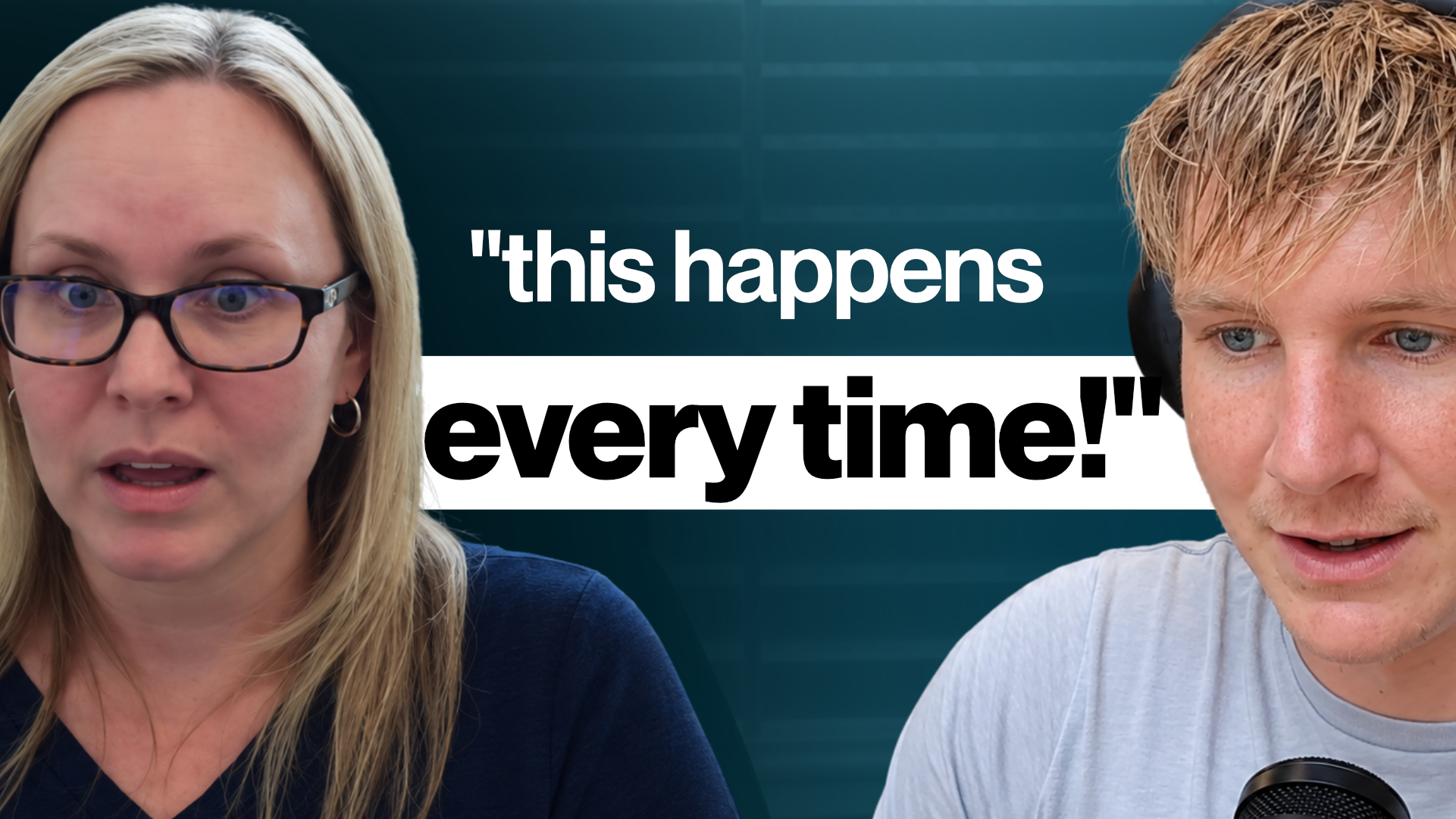
That question came up on a recent episode of the Marketing by Design podcast with Angela Troccoli, Head of Marketing at Revecore and author of the new book Signals: Common Marketing Pitfalls and How to Avoid Them. Angela spent two decades leading marketing across supply chain, healthcare, and digital commerce, and she wrote her book after realizing something uncomfortable. The same mistakes keep showing up, in every industry, no matter how good the tools get.
Why the budget question is a trap
Here is how Angela described it. You get asked what you could do with more money, and the instinct is to answer. More money, more results, sounds simple. But if you could have accurately predicted that outcome, it would already be in your original budget. You would have asked for it. The honest answer is that you do not have the data to make that promise, and pretending otherwise sets an expectation you cannot defend six months later.
Her advice: do not answer the question with a number. Answer it with the truth. You have already looked at the data available to you, and creating a scientific sounding answer without the sample size to back it up does not help anyone. It just creates a target you will get held to later.
This matters for anyone running marketing inside a B2B or healthcare company, where budget conversations happen in board rooms and get repeated back to you at the next one. Overpromising once costs you credibility for years.
The complexity people underestimate
Angela's larger point is that marketing gets treated like a single lever. Money in, leads out. In reality it is both a scientific discipline and a creative one, and most of the mistakes she catalogs in her book come from people skipping the scientific half.
One example she gave: a junior team member described an image with a product on it as a campaign. It was not a campaign. It was a photo with no strategy behind it, no channel plan, no audience thinking. The word campaign carries weight, and using it loosely with a marketing executive costs you credibility fast.
Where AI fits, and where it doesn't
Angela's take on AI is direct. It's a tool, not a colleague. It will not interview your product team, notice a change in tone, or read a room the way a person can. It is an accelerant, which means it will speed up good strategy and bad strategy equally. The foundation, your brand, your customer understanding, your positioning, still has to be built by a person before AI ever enters the picture.
She still uses AI constantly, but treats every output the way she would treat work from a new hire. Read it before it goes out. Same scrutiny every time.
The takeaway
If you sit in budget conversations, in board meetings, or on a leadership team that expects marketing to defend its numbers, the lesson is simple. Do not answer questions you cannot back with data, and do not let a faster tool talk you out of doing the foundational work first.
You can hear the full conversation, including how Angela built her book from interviews with twenty marketing executives, on the Marketing by Design podcast.





.webp)
.webp)